

Finding Authentic Gratitude
A Practice for Difficult Times

For a long time, I struggled to find an authentic way to practice gratitude. By “authentic,” I mean a form of gratitude that’s rooted in reality—that doesn’t ignore life’s hardships or attempt to minimize our pain. Considering everything happening in the world, I questioned whether this was even possible.
Still, I was determined to find a genuine approach because of gratitude’s well-documented benefits for our physical, mental, emotional, and spiritual well-being. What I discovered is that authentic gratitude isn’t about feeling—it’s about practice and perspective. That distinction changes everything.
Human beings are naturally predisposed to focus on what’s wrong. Evolution has hardwired our nervous systems to be alert for potential threats as a protective mechanism—our negativity bias.
To counteract this tendency to focus on negative events more than positive ones, we have to make a conscious effort to notice the positive. Vietnamese Buddhist teacher Thich Nhat Hanh offered a wonderful invitation: practice gratitude for your non-toothache. It’s easy to overlook what’s going right.
Understanding this biological reality helped me recognize why ancient contemplative traditions developed specific practices to work with our minds. In yoga philosophy, gratitude can be seen as an adaptation of pratipaksha bhavana—the practice of responding to negative thoughts by consciously cultivating their positive counterparts.
The transformation came one morning a few years ago when I was overwhelmed by news of wildfires in Australia and felt utterly helpless. Instead of trying to force myself to “feel grateful,” I simply began naming what was true for me in that moment: my breath, the comfort of my body, the warmth and safety of my home.
I wasn’t denying the fires or pretending everything was fine. I was simply acknowledging what was also real.
This connects deeply to Joanna Macy’s Work That Reconnects, which teachesw that gratitude doesn’t mean ignoring our pain for the world. Rather, it grounds us so we can stay present with reality in all its complexity—grief, outrage, and all.
Gratitude as a practice doesn’t mean dismissing negative emotions. It involves making a deliberate effort to consciously appreciate what we genuinely value in any given moment.
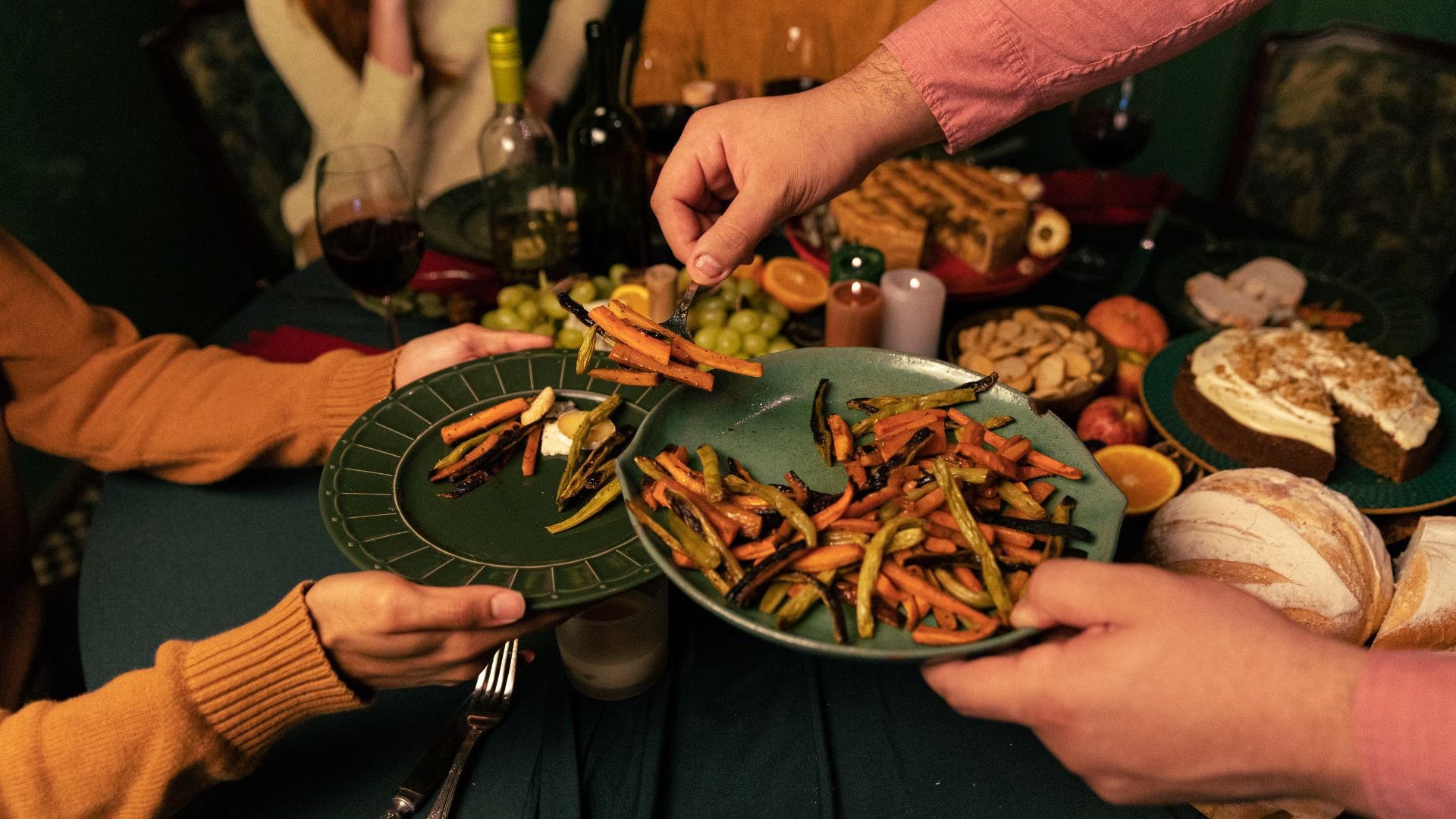
As I’ve practiced this, I’ve found there is always something to be grateful for—my breath, the trees outside my window, warm socks, good music, a delicious meal.
When you approach gratitude as a practice, you needn’t wait for good things to happen to feel thankful. Gratefulness becomes an outlook you bring to your life—a way of seeing that coexists with your grief, sadness, and anger.
Gratitude nurtures your connection to life and bolsters you to meet challenges with greater resilience. Over time, you might find that conscious appreciation is an empowering stance that fosters genuine contentment—not despite the difficulties you face, but alongside them.
An Invitation
Right now, name three things you’re genuinely grateful for in this moment. They can be tiny—the temperature of the air, a comfortable chair, the fact that you’re breathing. Don’t force big feelings. Just notice and name. This is gratitude as practice. This is how we begin.